
Wheat

Corn yield landed well above analysts’ average pre-report estimate, while soybean yield was slightly above.
USDA pegged the national corn yield at 178.5 bu. per acre, while the soybean yield was increased 0.1 bu. to 52.8 bu. per acre.

Dryness in the western U.S. is also increasingly impacting cattle
USDA’s corn yield and ending stocks pegs landed below the average pre-report estimate, with harvested corn acres up by 1.2 million. Soybean production was slightly higher than expected despite a 0.3 bu. cut to yield due to a 1.4-million-acre-increase in harvested acres.

Acres effected are up nearly 40% over the past month

Spring wheat acres now at the highest so far in 2026

One private forecaster sees global wheat production lower than USDA
USDA pegged new crop corn ending stocks at 1.790 billion bu., well below the average pre-report estimate of 1.873 billion bu. World ending stocks for corn, soybeans and wheat also landed below expectations.
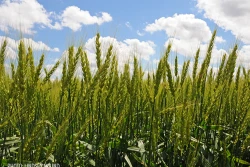
U.S. wheat harvested acres are at a 149-year low as corn and soybeans dominate. Policy shifts, global competition, and profitability gaps are reshaping American agriculture.
Corn acres landed above the average pre-report estimate, though lighter-than-expected June 1 stocks are supportive. Wheat acreage and stocks were mostly short of average pre-report estimates.