
INPUTS

Sulfur prices have surged more than fivefold, threatening phosphate fertilizer production. With global supply tightening, farmers could face higher prices, or even fertilizer shortages, heading into the months ahead.

Two months after a NCGA study showed U.S. farmers pay double what Brazilian farmers pay for some crop inputs, Iowa’s senior senator is asking President Trump to step in.

Sentiment in the July Ag Economists’ Monthly Monitor is improving and no one sees the downturn deepening, but interest rates, elevated input costs and corn’s shaky price outlook still cloud the path to 2027.

Russia export ban, Strait of Hormuz closure exacerbate global fuel supply crunch
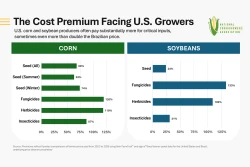
Analysis of 2023–2025 prices found U.S. growers paid more for nearly every seed and crop protection category examined.

USDA says Trump’s executive order suspending phosphate duties could cut fertilizer prices by about 22%, saving U.S. farmers an estimated $1.82 billion annually across 97 million planted acres.

The Executive Order signed by President Trump Monday comes after years of farmer lobbying against phosphate duties, with Texas A&M estimating $6.9B in added costs since 2021 tied to sharply higher DAP fertilizer prices.

The May Farm Journal Ag Economists’ Monthly Monitor reveals growing concern over farm profitability, rising debt costs and long-term financial stress, with economists saying many operations may need significant restructuring to remain viable.

Diesel prices are just 20 cents from a record high, with multiple states already setting new records. Experts warn relief is uncertain as prices could remain elevated through 2026.

Ag Secretary Brooke Rollins says a multi-agency Trump administration effort will target fertilizer costs and boost U.S. production, with a major announcement expected yet this week.