
Fertilizer

Shrinking equity, rising nitrogen costs and continued global upheaval signal a reckoning for corn growers and a shift to soybeans — especially if higher biomass-based blending diesel mandates come through.

Ag Secretary Brooke Rollins says a multi-agency Trump administration effort will target fertilizer costs and boost U.S. production, with a major announcement expected yet this week.

A Farmer’s Keeper survey of 4,000 farmers shows 20% are cutting corn acres as record fertilizer prices and supply gaps force last-minute shifts toward soybeans and other crops to protect profitability.
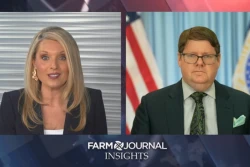
In a candid conversation with Farm Journal, USDA Deputy Secretary Stephen Vaden says USDA’s message to fertilizer companies is simple: “Be part of the solution, don’t be part of the problem.”

‘Even with the Strait declared open, effective normalization will take time,’ analyst says.
From a ‘quick reopening’ to ‘extended conflict,’ NDSU outlines three pathways for the Hormuz crisis that keep costs stubbornly elevated through 2027

As the Iran war drives fertilizer prices up 40%, the Trump administration is warning against price gouging. A new survey shows only 60% of corn farmers have secured their nitrogen needs for 2026.

Today’s market is evolving, not just correcting, according to ag economists. To win the long game, farmers are using generics and delaying machinery purchases as trade shifts to allies and consumers demand premium meat portions.

Fertilizer price spikes are clouding spring planting as farmers warn of mounting financial strain, while lawmakers push for greater transparency with recently proposed legislation in both the House and Senate.

While an unexpected March freeze is causing some farmers in Mississippi to replant corn, a mild spring is spurring early planting, with some farmers reporting they’ll finish planting corn by the end of this week.