
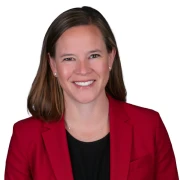

As head of the newly formed Food, Beverage & Agribusiness division, Brad Matsik says the bank is recognizing trends across the industry sectors and positioning its team to better serve clients.
Strategic Integration
“These are industry sectors that are extremely important to us. We’ve organized our business to be proactive, thoughtful, and very responsive to our clients’ needs. And we’re in it for the long term,” he says.
The new division combines internal teams into one group for more cohesive solutions—where food and agribusiness were combined for serval years, now beverage is also included.
Dairy as a Case Study for Innovation
One industry that exemplifies the ‘why’ behind this decision is dairy.
“A lot of things are happening in dairy,” Matsik says. “It’s a great example of one of the reasons we brought the groups together, because we don’t think consumers are thinking, is this food or is this beverage? They’re thinking, what am I consuming today? How many calories is it? And what are the macro benefits and the functional benefits of the food? So, dairy’s obviously a big category for us.”
He offers protein shakes—heavily driven by dairy products—as an example of a growth category.
“We see the lines blurring, and dairy’s right at the forefront of that,” Matsik says.
As such, he’s leading his team to stay committed to working with dairy producers and dairy processors—through every point in the cycle.
“It’s something we’re leaning into, because we believe there are some long-term tailwinds that really will support the dairy industry in the U.S, and that’s a welcome change from some of the challenging conditions those folks in the market have had,” he says.
Partnership Through Volatility
Matsik says while Wells Fargo is a global lending institution that will celebrate its 175th anniversary next year, the bank and its team still lean on the history of its founding as a regional bank serving small businesses and family-owned businesses.
“It’s the core of what we do. It’s… it will always be core to what we do,” he says.
He continues, “Where we’re focused and what you should expect to see from us, is we will always underwrite through the cycle, not to the trough. We’re always going to take a long-term view, because we’ve been through the cycles. And we are not new to this. We understand how they work, and we take the long view.”
Matsik points to its global capabilities giving a strong value proposition to their clients with strategic geographic presences and touchpoints.
“We are going to continue to be a leading provider of credit to the food and ag complex. But we also have the ability to think much more holistically and help our clients grow and create value over time in many different ways that we haven’t had traditionally, and we think that really differentiates us from a lot of our banking competitors in the U.S.” he says.
While recognizing the challenges farmers are facing today, Matsik points to two ways Wells Fargo is equipping itself to support them.
“We’re focused on this generational transition issue. We know that creates both opportunities and challenges for our clients.”
“We’re focused on this generational transition issue. We know that creates both opportunities and challenges for our clients. And we want to be with them along the way. From helping them grow their businesses to thinking about the personal wealth implications of some of these generational transitions. And we’re prepared to help them with every step of it.”
A second challenge are increasing input and production costs.
“We are very aware of the pressures with input costs, and supply chain volatility that farmers are dealing with. We understand the cycles, we’re in it for the cycles, and we have a long-term orientation. It comes back to communication and transparency and that partnership mentality.”
He continues, “our goal is to be proactive and thoughtful and deliver ideas in a way that helps our clients think through the cycle, focus on the opportunities, the challenges they have. Minimize the risk, and create long-term shareholder value over time.”
Transformational Time in The Beverage Sector
Particularly for the alcohol sector of the beverage business, Matsik says consumer behavior is bringing changes to those businesses. Changes in demographics are driving consumption patterns—notably as Gen Z is not showing up as a growing segment.
“Our clients that are in the industry, whether it’s on the production side, beer, wine, distilled spirits, or on the distribution side, are all feeling the effects of changing consumer behavior,” Matsik says. “Simply put, younger consumers are consuming less alcohol than older consumers. And so, as that cohort moves, as the millennials, which is now the largest demographic, moves through the system, and Gen Z comes along and enters drinking age, we’re just seeing less consumption overall.”
Going forward, Matsik sees the industry will go through a period of right-sizing their businesses, aligning costs to be sustainable, and when the time is right, seizing opportunities to grow.
“Whenever you are in a mature market, and your core business is not growing, you really need to start thinking holistically about what you can do, what levers you can pull,” he says. “We think that will lead to a lot of innovation, which requires Cap Ex, generally, and investment. We think it’ll also lead to continued consolidation. We’ve seen a lot of interesting transactions happening in the beverage sector, where folks in the bev/alcohol space are getting into non-alcoholic beverages, and vice versa.”
He points to functional beverages as a growth market and notes acquisitions such as Coca-Cola’s acquisition of Core Power.
“The traditional drivers of the beverage category are going to change, and it’s going to be much more nutrient rich, macro-oriented functional beverages, and that’s going to go across categories. So, and we’re seeing lots of interesting innovations, and that’s one of the areas that we’re really excited about, because we’ve been a leader in the beverage industry for a long time. As a result, we have great visibility into these trends.”